🔗 戰爭如何影響英國食品價格? 🔗 How Does War Affect UK Food Prices?
📌 本節數據來自:Food & Drink Federation (FDF)、UN Food and Agriculture Organisation (FAO)、Food Foundation(2026年4月)
📌 Data in this section sourced from: Food & Drink Federation (FDF), UN Food and Agriculture Organisation (FAO), Food Foundation (April 2026)
地區衝突透過三條主要渠道影響英國糧食供應:
Regional conflict affects UK food supply through three main channels:
- 能源成本:油價及天然氣價格上升,直接推高農業生產(灌溉、機械)、食品加工、冷鏈及運輸成本。
- Energy costs: Higher oil and gas prices directly raise agricultural production (irrigation, machinery), food processing, cold-chain and transport costs.
- 化肥短缺:中東地區利用廉價天然氣生產氮肥(尿素、氨),約佔全球尿素出口三成。衝突及海峽封鎖導致化肥供應緊張,直接影響全球農作物收成。
- Fertiliser shortages: The Middle East produces around 30% of global urea exports using cheap natural gas. Conflict and shipping disruptions tighten fertiliser supply, directly affecting global crop yields.
- 供應鏈中斷:主要航運通道受阻令貨物繞行,增加運輸時間及成本,連帶影響全球多種食品及原材料的到達速度與價格。
- Supply chain disruption: Blocked shipping routes force diversions, increasing transit times and costs, affecting the speed and price of food and raw materials worldwide.
英國食品飲料製造商聯合會(FDF)將 2026 年底食品通脹預測由 3% 大幅上調至最少 9%。聯合國糧農組織(FAO)全球商品價格指數於 2026 年 3 月上升 2.4%,植物油及糖升幅最大。如危機持續,聯合國預計 2026 年上半年全球食品價格可能高出基線 15–20%。
The UK Food & Drink Federation (FDF) revised its 2026 year-end food inflation forecast from ~3% to at least 9%. The UN FAO global commodity index rose 2.4% in March 2026, with vegetable oil and sugar seeing the sharpest increases. If the crisis persists, UN projections indicate global food prices could average 15–20% above baseline in the first half of 2026.
📅 三個階段分析:英國家庭會受到什麼影響? 📅 Three-Phase Analysis: What Will UK Households Experience?
📌 本節分析參考:House of Commons Library 食品通脹簡報(2026年1月)、Food Foundation 食品價格追蹤報告(2026年2月及4月)、FAO 全球糧食展望
📌 Analysis in this section draws on: House of Commons Library Food Inflation Briefing (January 2026), Food Foundation Food Prices Tracker (February & April 2026), FAO Global Food Outlook
價格上升,但超市貨架不會空
Prices rise — but shelves won't empty
現有庫存及舊季收成仍在,大多數英國家庭在短期內不會面對「買不到糧食」的問題。真正衝擊是價格明顯上漲,尤其是:
Existing stock and last season's harvest remain in supply. Most UK households will not face an inability to buy food in the short term. The real impact is noticeably higher prices, especially for:
- 麵包、食用油、奶製品、雞蛋、肉類
- Bread, cooking oil, dairy products, eggs, meat
- 進口依賴度高的商品(某些蔬菜、特定品牌)
- Import-dependent items (certain vegetables, specific brands)
- 冷凍食品(冷鏈能源成本上升)
- Frozen foods (cold-chain energy cost increases)
英國有一定程度的本地小麥、牛奶及畜牧業生產能力,加上多元進口來源,短期內出現完全斷糧的機會極低。
The UK has significant domestic wheat, dairy and livestock production capacity alongside diversified import sources — a complete food shortage in the short term is very unlikely.
收成減少 + 通脹持續,某些商品間歇缺貨
Reduced harvests + sustained inflation, some intermittent shortages
化肥短缺的影響不會即時出現——要到 1–2 個收成季後才反映在糧食供應上。若春耕季節化肥供應不足,今年第三季至明年初的全球收成量將有所下降,造成:
Fertiliser shortages don't show up immediately — their impact on food supply takes 1–2 growing seasons to appear. If spring planting is disrupted by fertiliser shortages, global harvests from Q3 this year to early next year will fall, causing:
- 食品價格第二輪上漲,特別是穀物、植物油類產品
- A second round of food price increases, especially grains and vegetable oil products
- 部分進口依賴度高的商品間歇缺貨或只剩貴價選項
- Intermittent shortages or premium-only options for some highly import-dependent goods
- 低收入家庭食物負擔能力壓力加劇
- Increased food affordability pressure on lower-income households
英國仍可在國際市場購入糧食(具較強議價能力),但家庭食物開支將長期偏高,部分家庭需要在能源、房租與食物之間作出更多取捨。
The UK can still buy food on international markets (with relatively strong purchasing power), but household food costs will remain elevated, with some families facing harder trade-offs between energy, rent and food.
新常態:高波動、高物價,但系統會調整
New normal: higher volatility and prices, but the system adapts
全球糧食系統具有一定韌性——價格上升會刺激其他地區增加種植,政府亦會調整政策(擴大戰略儲備、補貼農業、拓展本地生產)。但長期戰爭加上氣候變化,會令風險基線上移:
The global food system has resilience built in — higher prices stimulate increased planting elsewhere, and governments adjust policies (expanding strategic reserves, subsidising agriculture, growing local production). But prolonged conflict combined with climate change raises the baseline risk level:
- 食品價格可能維持在戰前水平以上的「新常態」
- Food prices may settle into a "new normal" above pre-conflict levels
- 英國大機會仍買到所需糧食,但家庭需適應持久較高的生活成本
- The UK will very likely continue to access the food it needs, but households need to adapt to persistently higher living costs
- 政府可能推出:戰略糧食儲備擴充、本地農業投資、增加低收入家庭食物補貼
- Government may introduce: expanded strategic food reserves, local agriculture investment, increased food support for lower-income households
🇬🇧 對英國居民的具體影響摘要 🇬🇧 Summary of Specific Impacts for UK Residents
📌 整理自:FDF 通脹預測(2026年4月)、Food Foundation 食品價格追蹤(2026年4月)、House of Commons Library(2026年1月)
📌 Compiled from: FDF Inflation Forecast (April 2026), Food Foundation Food Prices Tracker (April 2026), House of Commons Library (January 2026)
| 時間段Period | 超市狀況Supermarket situation | 主要風險Main risk | 最受影響商品Most affected items | |||
|---|---|---|---|---|---|---|
| 短期(0–6個月)Short-term (0–6 months) | 仍有供應,但價格明顯上升 | Stock available, but noticeably pricier | 食品通脹急升,預測達 9% | Food inflation rising fast, forecast at 9% | 食油、麵包、雞蛋、奶類、冷凍食品 | Cooking oil, bread, eggs, dairy, frozen foods |
| 中期(6–24個月)Medium-term (6–24 months) | 大部分有貨,個別間歇缺貨 | Most items available, some intermittent gaps | 收成下降 + 通脹持續偏高 | Reduced harvests + sustained high inflation | 穀物製品、植物油、進口特色食品 | Grain products, vegetable oils, specialty imports |
| 長期(2年以上)Long-term (2+ years) | 供應正常,但整體較貴 | Normal supply, but overall more expensive | 高物價新常態,低收入家庭負擔能力 | High-price new normal; low-income affordability | 幾乎所有主要食品類別 | Almost all major food categories |
✅ 英國家庭實用應對策略 ✅ Practical Response Strategies for UK Households
📌 應對建議整理自:UK Government Prepare 網站、Food Standards Agency (FSA) 食品儲存指引、GOV.UK 應急備災指引
📌 Response guidance compiled from: UK Government Prepare website, Food Standards Agency (FSA) food storage guidance, GOV.UK emergency preparedness guidance
應對策略的核心並非一次囤積大量物資,而是逐步建立可持續維持的家庭緩衝庫存,並提升以相宜成本準備健康膳食的能力。英國政府Prepare網站亦強調:備災是「明智的預防措施」,而非「末日準備」。
The core strategy is not to buy everything at once, but to gradually build a sustainable household buffer and improve your ability to cook nutritious meals economically. The UK Government's Prepare website also emphasises: preparedness is about "sensible precautions" — not "doomsday prepping".
🥫 建立備糧緩衝Build a Food Buffer
- 目標建立 4–8 週基本糧食備存,採用「循環備存法」維持(詳見備糧規劃器)
- Aim for a 4–8 week basic food buffer, maintained using the rolling stock method (see our Stockpile Planner)
- 優先儲備:米、麵、燕麥、罐頭豆、罐頭魚、植物油、罐頭番茄
- Priority items: rice, pasta, oats, tinned beans, tinned fish, cooking oil, chopped tomatoes
- 「先入先出」:新買的放後面,舊的先食
- "First in, first out": new purchases go at the back, eat oldest first
- 每隔三個月檢查保質期
- Check best-before dates every three months
💷 家庭財務應對Household Finance
- 建立 3–6 個月生活費緊急儲蓄,應對食物及能源持續加價
- Build 3–6 months' emergency savings to buffer sustained food and energy price rises
- 靈活調整預算:特價時多買常用備糧食材
- Adapt budget: buy more of your regular stockpile items when they're on promotion
- 了解可申請的食物援助:Citizens Advice、當地食物銀行
- Know available food support: Citizens Advice, local food banks
- 確保已申領所有可獲得的政府福利(如 Universal Credit)
- Ensure you're claiming all government benefits you're entitled to (e.g. Universal Credit)
🍳 提升廚藝韌性Culinary Resilience
- 學習用 豆類、扁豆、罐頭食材 烹調營養均衡且廉價的菜式
- Learn to cook nutritious, low-cost meals using dried beans, lentils and tinned ingredients
- 掌握節能烹調法:高壓鍋、慢煮鍋、電飯煲
- Master energy-efficient cooking: pressure cooker, slow cooker, rice cooker
- 減少食物浪費:善用「清冰箱」菜式(炒飯、燉湯)
- Reduce food waste: use "fridge clear-out" dishes (fried rice, soup, stew)
📱 資訊管理Information Management
- 跟進 可靠新聞來源:BBC、Sky News、GOV.UK
- Follow reliable news sources: BBC, Sky News, GOV.UK
- 訂閱 GOV.UK 緊急提示及 Met Office 警報
- Subscribe to GOV.UK emergency alerts and Met Office warnings
- 避免依賴社交媒體流言作為購買決策依據
- Avoid using social media rumours as a basis for purchasing decisions
- 家庭成員之間應清楚溝通:「我們是為了提升韌性,而不是出於恐慌。」
- Communicate clearly with household members: "We're building resilience, not panicking"
⚠️ 特別需要關注的群體 ⚠️ Groups Needing Extra Attention
📌 相關支援資源參考:Citizens Advice UK、Trussell Trust、Age UK
📌 Support resources referenced from: Citizens Advice UK, Trussell Trust, Age UK
食品通脹對低收入家庭的影響遠大於高收入家庭(因食物佔總支出比例更高)。建議:確認已申領所有可獲得的福利補貼;了解當地食物銀行及 Citizens Advice 的支援;善用折扣超市(Aldi、Lidl)及特價食品;優先購買高性價比蛋白質來源(扁豆、雞蛋、罐頭豆)。
Food inflation hits lower-income families far harder (as food is a larger share of total spending). Suggestions: confirm all eligible benefits are being claimed; find local food bank and Citizens Advice support; use discount supermarkets (Aldi, Lidl) and reduced items; prioritise high-value protein sources (lentils, eggs, tinned beans).
建議加入水務及電力供應商的 Priority Services Register(優先服務登記),在供應中斷時可獲額外支援。確保備有足夠的常用藥物(至少一個月供應量)及即食食品。如需幫助,可聯絡 Age UK(0800 678 1602)。
Consider registering for your water and energy supplier's Priority Services Register for additional support during disruptions. Ensure sufficient regular medications (at least one month's supply) and ready-to-eat food are available. For support, contact Age UK (0800 678 1602).
📋 重點摘要 📋 Key Takeaways
- 短期:英國超市不會空架,但食品價格會明顯上升(預測 2026 年底通脹達 9%)。麵包、食油、奶類、雞蛋最先受影響。
- Short-term: UK supermarket shelves won't empty, but food prices will rise noticeably (forecast: 9% inflation by end 2026). Bread, cooking oil, dairy and eggs will be first affected.
- 中期:化肥短缺導致的收成下降將於 6–18 個月後顯現,食品通脹可能出現第二輪上升,部分商品間歇缺貨。
- Medium-term: Harvest reductions from fertiliser shortages will appear 6–18 months later, potentially triggering a second wave of food inflation and intermittent shortages of some items.
- 長期:英國大機會仍可買到充足糧食,但家庭需適應持久較高的食物成本作為「新常態」。
- Long-term: The UK will very likely continue to access sufficient food, but households need to adapt to persistently higher food costs as a "new normal".
- 應對重點:逐步建立 4–8 週備糧緩衝、學習廉價健康烹調、建立緊急儲蓄、跟進可靠資訊來源。不恐慌囤貨。
- Response focus: Gradually build a 4–8 week food buffer, learn economical healthy cooking, build emergency savings, follow reliable sources. Don't panic-buy.
本頁內容根據英國政府、相關機構及研究機構的公開資料整理,已用簡化語言重寫,不構成法律、財務或官方緊急服務建議。食品通脹預測反映 2026 年 4 月的最新數據,實際情況可能因局勢變化而有所不同。如有緊急情況,請遵從英國政府及官方緊急服務的最新指示。
This page is based on publicly available information from UK government sources, industry bodies and research organisations. Content has been simplified for general readability and does not constitute legal, financial or official emergency service advice. Food inflation projections reflect data available as of April 2026 and may change as circumstances evolve. In any emergency, follow the latest UK Government and official emergency service guidance.
參考資料References
Food & Drink Federation (FDF). (2026, April). FDF revises food inflation forecast to at least 9% by the end of 2026. 擷取自 fdf.org.uk
Food Foundation. (2026, April). Food Prices Tracker: April 2026. 擷取自 foodfoundation.org.uk
Food Foundation. (2026, February). Food Prices Tracker: February 2026. 擷取自 foodfoundation.org.uk
House of Commons Library. (2026, January). The impact of food inflation on the cost of living (CDP 2026-0004). 擷取自 commonslibrary.parliament.uk
UK Parliament – Hansard. (2026, January 22). Emergency Preparedness debate. 擷取自 hansard.parliament.uk
GOV.UK – Prepare Campaign. (2025). Get prepared for emergencies. 擷取自 prepare.campaign.gov.uk
GOV.UK. (2025, December). United Kingdom Food Security Digest 2025. 擷取自 gov.uk
United Nations Food and Agriculture Organisation (FAO). (n.d.). FAO Food Price Index. 擷取自 fao.org
Food Standards Agency (FSA). (n.d.). Storing food safely. 擷取自 food.gov.uk
Food & Drink Federation (FDF). (2026, April). FDF revises food inflation forecast to at least 9% by the end of 2026. Retrieved from fdf.org.uk
Food Foundation. (2026, April). Food Prices Tracker: April 2026. Retrieved from foodfoundation.org.uk
Food Foundation. (2026, February). Food Prices Tracker: February 2026. Retrieved from foodfoundation.org.uk
House of Commons Library. (2026, January). The impact of food inflation on the cost of living (CDP 2026-0004). Retrieved from commonslibrary.parliament.uk
UK Parliament – Hansard. (2026, January 22). Emergency Preparedness debate. Retrieved from hansard.parliament.uk
GOV.UK – Prepare Campaign. (2025). Get prepared for emergencies. Retrieved from prepare.campaign.gov.uk
GOV.UK. (2025, December). United Kingdom Food Security Digest 2025. Retrieved from gov.uk
United Nations Food and Agriculture Organisation (FAO). (n.d.). FAO Food Price Index. Retrieved from fao.org
Food Standards Agency (FSA). (n.d.). Storing food safely. Retrieved from food.gov.uk
🛒 推薦應急物資
🛒 Recommended Emergency Supplies
SafeNest 精選推薦,點擊即可在Amazon購買
SafeNest recommended picks — click to buy on Amazon

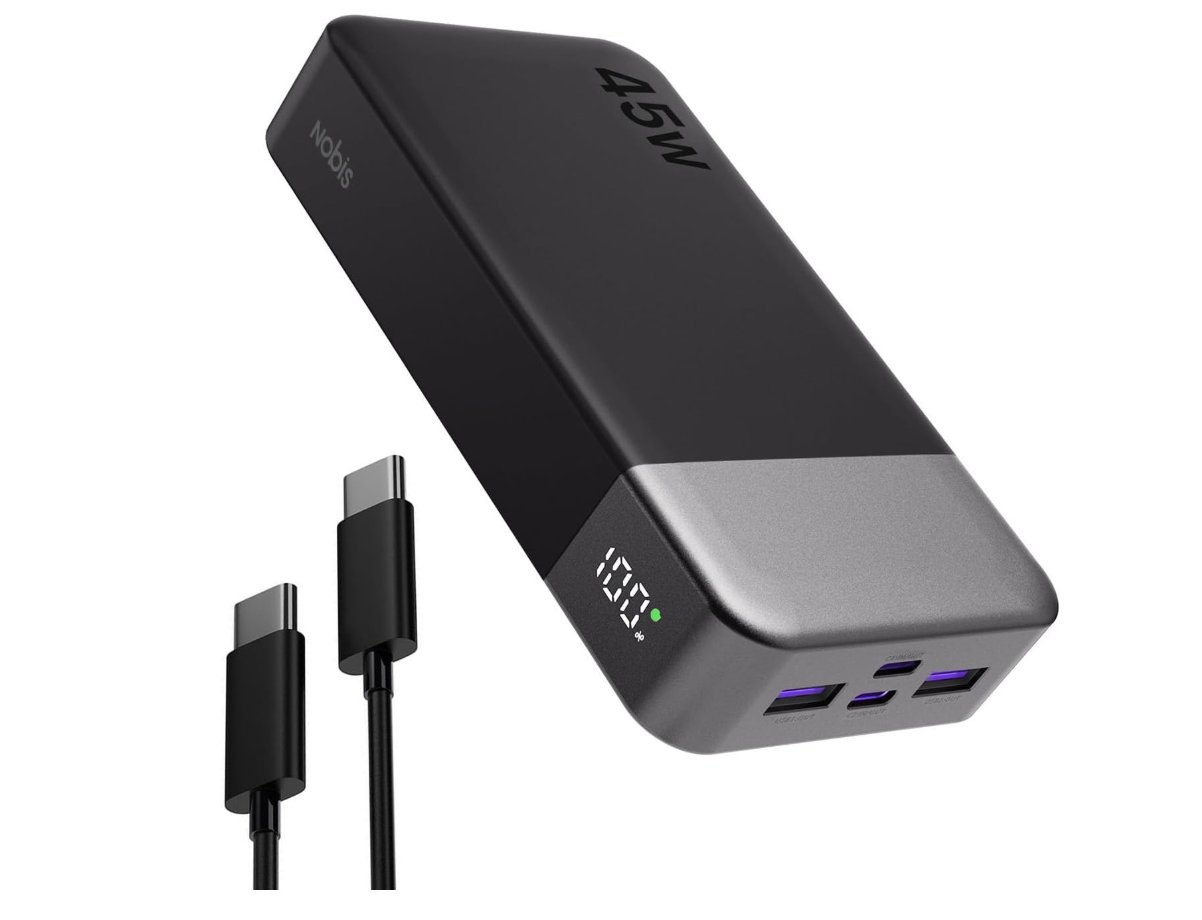
As an Amazon Associate, SafeNest earns from qualifying purchases. Prices shown are approximate and may vary.